

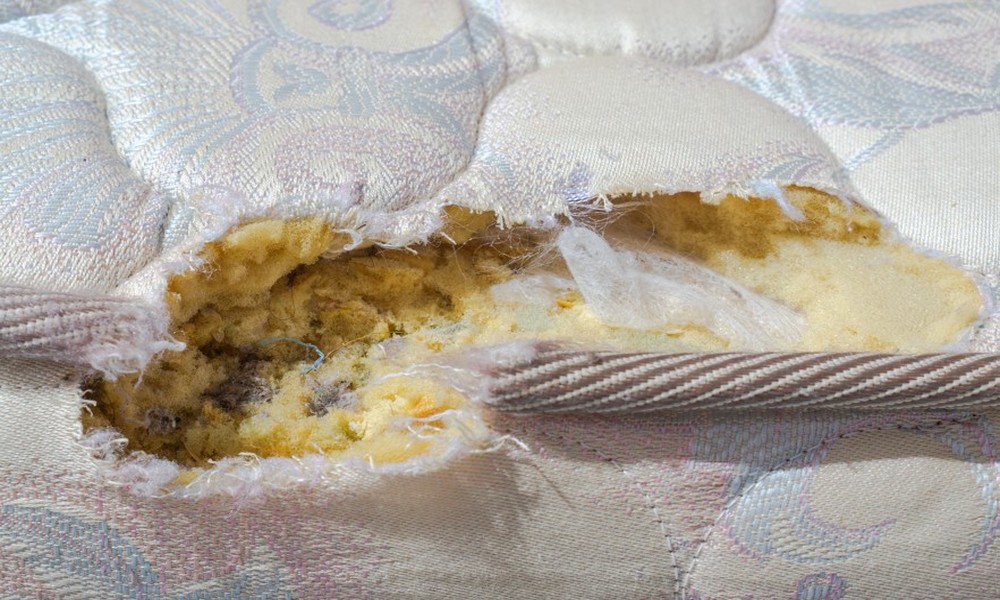
A single discarded mattress can take up as much space in a landfill as an entire family’s weekly garbage. Now, multiply that by the millions of Canadians who replace their beds every year, and it becomes clear why mattress recycling has moved to the forefront of environmental discussions.
Environmental Impact of Mattress Waste in Canada
Scale of the Problem: Mattress Disposal Statistics
Across Canada, hundreds of thousands of mattresses and box springs reach the end of their life each year. In Quebec and Ontario alone, over 400,000 units are recycled annually, but that number still represents only a portion of the total being discarded. The absence of a national policy means countless mattresses are still buried in landfills, where they linger for up to a century before decomposing.
Ecological Consequences of Landfilling Mattresses
When mattresses end up in landfills, they do more than just take up space. Their bulky design traps air and resists compaction, quickly straining landfill capacity. What’s more, the mix of synthetic fabrics, foams, and metals leaches chemicals and disrupts methane management, making mattresses a particular headache for waste facilities. As landfill sites across Canada approach capacity, the environmental cost grows more urgent.
Comparison with Other Household Waste Streams
Though other household items are regularly recycled, think newspapers, bottles, and cans, mattresses are often left out. Unlike those easily processed materials, mattresses present unique challenges for traditional waste systems. Their sheer size and complexity set them apart from typical waste streams and demand specialized solutions.
Traditional Mattress Disposal Methods
Landfilling and Its Limitations in Canada
Landfilling has long been the default solution for unwanted mattresses. But with each passing year, this approach becomes less viable. Landfills are running out of space, and mattresses contribute disproportionately to that problem. In some regions, municipalities spend millions in extra tipping and handling fees just to process these oversized items.
Incineration: Benefits and Environmental Risks
Some communities have experimented with incineration as an alternative. While burning can reduce volume, it carries its own risks. Mattresses are made with flame retardants, plastics, and other chemicals that release hazardous emissions when incinerated. The environmental trade-off is rarely worth it.
Why Traditional Methods Are Unsustainable
Neither landfilling nor incineration offers a long-term answer. The environmental hazards, infrastructure strain, and cost make them unsustainable for the future. As Canada seeks to meet its environmental goals, alternatives must be found.
Mattress Recycling Technologies and Processes
Overview of Mattress Recycling Techniques
Modern mattress recycling uses mechanical and manual separation to break down mattresses into their core materials: metal springs, foam, fabric, and wood. Each component can be processed and reintroduced into manufacturing streams for new products, diverting waste from landfill and reducing the need for virgin resources.
Unique Technology Behind Recyc-Matelas
Innovation in this space is exemplified by Recyc-Matelas, a Canadian company at the forefront of mattress recycling since 2007. Their proprietary technology allows high-volume processing, dismantling mattresses efficiently and maximizing material recovery. The company stands out as the only one in Canada equipped to handle the needs of large cities and municipalities.
Efficiency and Scalability Compared to Other Methods
Unlike small-scale or manual operations, large recyclers like Recyc-Matelas can process hundreds of thousands of units a year. Their approach ensures that virtually no mattress ends up in landfill, setting a high bar for both efficiency and environmental impact.
Mattress Recycling in Canada vs. International Approaches
Canadian Recycling Efforts and Current Gaps
While some provinces have made progress, Canada still lacks a coordinated, national approach. Many regions have no mattress recycling programs at all, leaving significant gaps.
Successful Models in France and Belgium
Internationally, countries like France and Belgium have rolled out comprehensive recycling mandates. In France alone, over one million mattresses are recycled each year. Policies there require producers to arrange for the collection and recycling of used mattresses, resulting in higher diversion rates and decreased landfill pressure.
Lessons Canadian Systems Can Learn From Abroad
Canada can draw valuable lessons from these international models. Extended producer responsibility, clear recycling targets, and public-private partnerships all contribute to better outcomes, and could be adapted for Canadian needs.
Social and Economic Benefits of Mattress Recycling
Job Creation and Social Inclusion Initiatives
Recycling doesn’t just benefit the environment. Companies like Recyc-Matelas also champion social inclusion, employing individuals with intellectual disabilities and helping them rejoin the workforce. This dual impact, environmental and social, sets mattress recycling apart.
Economic Advantages for Municipalities and Businesses
Municipalities benefit from reduced landfill costs and more efficient waste management. Businesses engaged in recycling gain access to valuable recovered materials, while also burnishing their environmental credentials.
Long-Term Community and Environmental Gains
Over time, successful mattress recycling programs foster cleaner communities, sustainable job growth, and a circular economy that values materials rather than discarding them.
Challenges Facing Mattress Recycling in Canada
Lack of National Policies and Regulatory Frameworks
Without unified regulations, progress is patchy and dependent on local priorities. National leadership is needed to harmonize recycling efforts and set ambitious targets.
Public Awareness and Participation Barriers
Many Canadians remain unaware of mattress recycling options. Building awareness and making recycling accessible are crucial next steps.
Infrastructure and Funding Limitations
Expanding recycling capacity requires investment in collection, transportation, and processing. Public and private funding will be needed to close the gap.
The Future of Mattress Recycling and Environmental Sustainability
Potential Policy Developments and Incentives
Provinces like Quebec and Ontario could lead by example, introducing incentives and mandates that drive recycling rates higher.
Innovations in Recycling Technology on the Horizon
Emerging technologies promise greater efficiency, from automated disassembly to advanced sorting techniques.
Building a Circular Economy Around Mattress Materials
Ultimately, mattress recycling is about more than just waste diversion. It is a cornerstone of the circular economy, where valuable materials circulate, jobs are created, and environmental impact is minimized.
For those seeking solutions, resources such as recyclage matelas Canada offer a window into the future: innovative, inclusive, and sustainable.
