

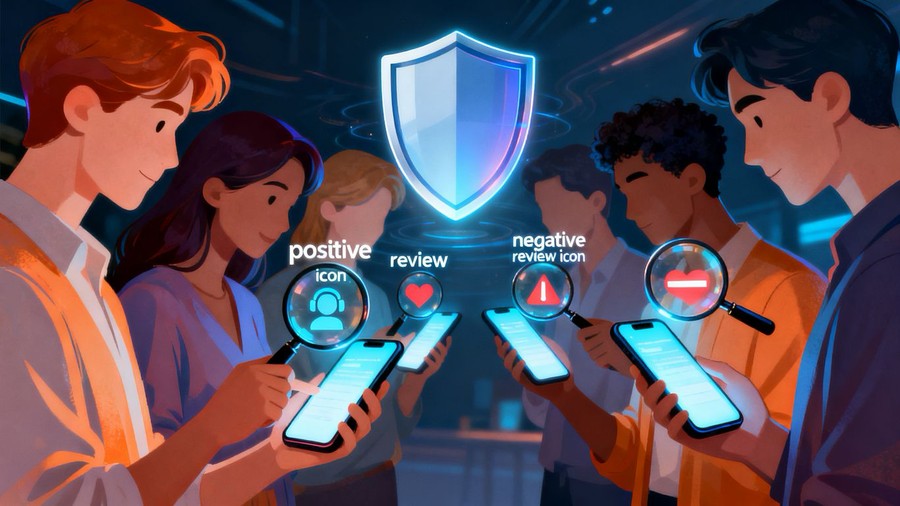
Consumer Reliance on Digital Feedback
These days, most people check online reviews before buying something. It’s pretty common. Surveys show that a big chunk of shoppers, over two-thirds, actually use reviews to help them decide. What’s interesting is that many folks give online reviews almost as much weight as a recommendation from a friend. This shows how much trust we place in what strangers say about products and services online. It’s become a go-to step in the shopping process for a lot of us.
Impact of Reviews on Business Reputation
Bad reviews can really hurt a business. We’re talking about lost sales and a damaged image. On the flip side, good reviews can boost a company’s standing. It’s a tough market out there, and businesses that focus on quality and good service tend to do better when their positive feedback is visible. The whole system works best when reviews are honest and reflect real experiences. When reviews aren’t real, it messes things up for everyone. For instance, fraudulent online reviews can trick people into buying things that aren’t worth the money, which isn’t fair to consumers or honest businesses.
Authenticity and Marketplace Integrity
Keeping reviews real is a big deal. When fake or paid reviews pop up, it makes it hard for consumers to know what to believe. This can lead to bad purchases and a general distrust of online feedback. Businesses that are honest want their good work to be recognized, and they suffer when fake reviews muddy the waters. It’s important for the marketplace to be fair, and that means making sure reviews are genuine. Platforms are starting to take action against fake reviews, but it’s an ongoing challenge. The FTC is also watching for companies that might be breaking rules about review authenticity.
Combating Deceptive Review Practices
Online reviews are a big deal for shoppers, but sometimes they aren’t what they seem. It’s a real problem when businesses try to cheat the system, either by faking good reviews or trying to silence honest criticism. This section looks at how these shady practices are being tackled.
Addressing Fake and Paid Reviews
Fake reviews are a constant headache. Some companies pay people to write glowing reviews that aren’t based on actual experiences. This misleads consumers and makes it hard to trust any feedback. Platforms are stepping up their game to catch these fake endorsements. They use technology and human reviewers to spot suspicious patterns. For instance, Amazon has been taking legal action against groups that offer fake reviews, trying to keep its marketplace honest. It’s a tough fight because new ways to cheat pop up all the time, but the goal is to make sure what you read is real.
Legal Actions Against Inauthentic Feedback
When fake reviews become widespread, they can really mess with the market. Companies that sell fake reviews are facing legal trouble. The UK’s consumer watchdog, for example, has looked into firms that weren’t doing enough to stop misleading reviews. These investigations aim to hold businesses accountable for their role in spreading false information. It’s about more than just a few bad reviews; it’s about protecting the integrity of the entire online shopping experience. The idea is that if businesses know they could face serious consequences, they’ll be less likely to engage in or allow such practices.
The Role of E-commerce Platforms
Online marketplaces have a big responsibility here. They are the ones hosting these reviews, after all. Many are working harder to police their sites. This includes:
- Developing better tools to detect fake reviews.
- Making it easier for users to report suspicious feedback.
- Updating their policies to clearly state that fake reviews are not allowed.
Platforms like Amazon have even filed lawsuits against those who provide fake review services. This shows a commitment to cleaning up their sites and protecting consumers from deceptive practices. It’s a continuous effort, as bad actors are always looking for new ways to game the system, but these platforms are key players in maintaining trust.
Protecting Consumers from Retaliation
Businesses Penalizing Negative Feedback
It’s not uncommon for businesses to want to manage their online image. However, some go too far. Instead of using criticism to get better, certain companies try to punish customers who leave negative reviews. This can happen through various means, sometimes even involving legal threats. For instance, a business might try to enforce a clause in their terms of service that says you can’t say anything bad about them online. If you do, they might demand you take the review down or even try to charge you money. This practice aims to silence honest feedback and create a false impression of customer satisfaction. It’s a way to avoid accountability and maintain a spotless reputation, even if the reality is quite different.
Legislative Efforts to Ban Gag Clauses
Fortunately, lawmakers are aware of these unfair tactics. There have been efforts to create laws that stop businesses from penalizing customers for sharing their experiences. These laws are designed to protect your right to speak freely about products and services you’ve used. The goal is to ensure that businesses can’t use contracts to prevent honest reviews. This protects the integrity of online feedback and helps other consumers make informed choices. It’s about keeping the marketplace fair and transparent for everyone involved.
The Consumer Review Freedom Act
One significant piece of legislation that addresses this issue is the Consumer Review Freedom Act. This act specifically targets what are often called “gag clauses” in contracts. These clauses try to prevent consumers from posting negative or even neutral reviews. The Act makes these types of clauses illegal. It clarifies that businesses cannot penalize customers for sharing their honest opinions, whether good or bad. However, it’s important to note that this law doesn’t protect false statements or outright lies. It’s about protecting genuine feedback, which is a vital part of consumer protection. The Federal Trade Commission has also issued warnings about companies violating rules related to non-disclosure clauses that could prevent honest feedback FTC warnings.
The Function of Consumer Watchdog Sites
Consumer watchdog sites act as important resources for people trying to make informed decisions and protect themselves from unfair practices. These organizations often investigate businesses that might be treating customers poorly or engaging in dishonest behavior. They gather information, look into complaints, and then share what they find with the public. This helps everyone understand which companies to trust and which ones to avoid.
Investigating Unfair Business Practices
When a business is suspected of acting unfairly, watchdog groups step in. They might look into things like misleading advertising, hidden fees, or poor product quality that many people are complaining about. Their goal is to uncover the truth behind these practices. For example, an organization like Consumer Watchdog might focus on specific industries like insurance or healthcare, digging deep into how companies operate and whether they are following the rules. They often publish reports or articles detailing their findings, bringing attention to issues that might otherwise go unnoticed.
Providing Resources for Consumer Protection
Beyond just investigating, these sites offer a wealth of information. They can be a go-to place for consumers looking for advice on how to handle common problems. This might include:
- Steps to take when a product is faulty.
- Information on how to get refunds.
- Guidance on understanding contracts and terms of service.
- Tips for avoiding common scams.
These resources are designed to give consumers the knowledge they need to protect their rights and their money. Some groups also provide tools or databases that allow users to search for complaints or reviews related to specific companies or products.
Educating Consumers on Rights and Responsibilities
Consumer watchdog sites also play a big part in educating the public. They explain what consumer rights are and how they are protected by law. This can be especially helpful when dealing with complex issues or when a consumer feels they have been wronged. They might explain how to file a complaint with the right authorities or what legal options might be available. Understanding these rights and responsibilities is key to a fair marketplace, and these sites help bridge that knowledge gap. They aim to make sure people know what to expect from businesses and what actions they can take if those expectations aren’t met. This proactive education helps prevent problems before they start and supports consumer protection mechanisms that are in place.
Government Agencies as Watchdogs
Government agencies play a vital role in protecting consumers by acting as watchdogs against unfair and deceptive business practices. These organizations are tasked with upholding consumer rights and ensuring a fair marketplace for everyone. They often work behind the scenes, investigating complaints and taking action against companies that violate the law.
The Federal Trade Commission’s Role
The Federal Trade Commission (FTC) is a primary agency dedicated to consumer protection. Its Bureau of Consumer Protection works to stop unfair, deceptive, and fraudulent business activities. The FTC collects reports from consumers, conducts investigations, and takes legal action against businesses that break the law. They also develop rules to keep the marketplace fair and provide education to both consumers and businesses about their rights and responsibilities. For instance, the FTC actively combats scams and fraud by taking reports and sharing that information with law enforcement partners to investigate and eliminate unfair practices. They also address issues like illegal robocalls, providing information on what the agency is doing and what consumers can do to limit them.
Collecting Consumer Reports and Investigations
One of the FTC’s key functions is gathering information directly from consumers. When people report problems with businesses, these reports become valuable data. The agency uses these reports to identify patterns of misconduct and to decide where to focus its investigative efforts. This process helps them uncover widespread issues that might not be apparent from individual complaints alone. The information gathered can lead to investigations that result in legal action, helping to prevent further harm to other consumers. This proactive approach is crucial for maintaining market integrity.
Enforcing Laws Against Deceptive Practices
Beyond investigation, government agencies are responsible for enforcing consumer protection laws. This can involve a range of actions, from issuing warnings and fines to pursuing lawsuits against companies. The goal is to hold businesses accountable for their actions and to deter future misconduct. For example, agencies like the Consumer Financial Protection Bureau (CFPB) work to ensure that financial markets operate fairly and protect consumers from deceptive or abusive practices by financial institutions. The CFPB also conducts research and educates consumers about financial products and services, providing a resource for those seeking to understand their rights in the financial world. The CFPB works to ensure consumer financial markets benefit consumers.
Leveraging Consumer Watchdog Sites
Consumer watchdog sites act as important resources for individuals looking to make informed decisions and protect themselves from unfair practices. These platforms gather information, investigate complaints, and provide a space for consumers to share their experiences. By understanding how to use these sites effectively, people can better identify potential problems with businesses and products before committing to a purchase or service.
Identifying and Reporting Scams
One of the primary functions of watchdog sites is to help consumers spot and report fraudulent activities. These sites often maintain databases of known scams, allowing users to check if a business or offer has a history of deceptive behavior. If you encounter something that seems suspicious, reporting it to these organizations can help warn others and contribute to broader investigations.
- Check for existing reports: Before engaging with a new business or service, search watchdog sites to see if others have reported similar issues.
- Document your experience: If you have been a victim of a scam, gather all relevant evidence, such as emails, receipts, and communication logs.
- Submit a detailed report: Provide as much information as possible to the watchdog site, including dates, names, and specific details of the incident.
Understanding Consumer Protection Resources
Beyond identifying scams, watchdog organizations offer a wealth of information on consumer rights and protections. They often provide guides, articles, and FAQs that explain complex regulations in simple terms. This knowledge is key to knowing what recourse is available if a problem arises. Many consumer protection nonprofits act as public watchdogs, safeguarding individuals from predatory lending, unsafe products, and deceptive marketing practices. Consumer protection nonprofits
Navigating Marketplace Challenges
When disputes arise with businesses, consumer watchdog sites can offer guidance on how to approach resolution. Some sites may offer mediation services or direct users to government agencies equipped to handle specific types of complaints. The Consumer Protection Division offers mediation services to assist consumers in resolving disputes with businesses and health insurance providers. mediation services can be a helpful step before pursuing more formal legal action. Ultimately, these sites serve as a vital tool for promoting transparency and accountability in the marketplace.
