

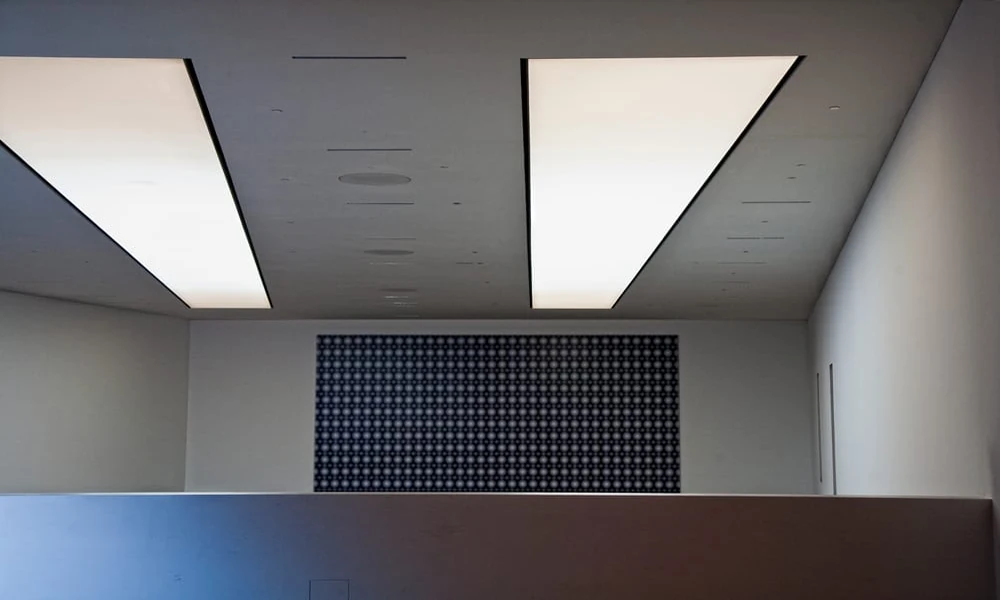
Wall panels have become a defining feature in modern interior design, moving far beyond their traditional role as simple coverings. Today, they are used to shape the look, feel, and performance of a space, offering a balance between visual appeal and practical function.
Whether in offices, commercial settings, or residential interiors, wall panels are now considered part of the overall design strategy rather than an afterthought. They allow designers to enhance aesthetics while addressing everyday challenges such as noise, durability, and maintenance.
This combination of form and function is what makes wall panels such a valuable addition to contemporary spaces.
Enhancing Visual Appeal Through Design
One of the most noticeable contributions of wall panels is their impact on visual design. Plain walls can sometimes make a space feel flat or unfinished, whereas panels introduce texture, depth, and character.
Available in a wide variety of materials, finishes, and colours, wall panels can be tailored to suit different design styles. From sleek and minimal to bold and expressive, they offer flexibility that standard wall finishes often lack.
Panels can also be arranged in patterns or customised layouts, creating feature walls that draw attention without overwhelming the space. This makes them particularly effective in reception areas, meeting rooms, or living spaces where first impressions matter.
Creating a More Comfortable Acoustic Environment
Beyond aesthetics, wall panels play an important role in improving how a space sounds. In areas with hard surfaces, sound tends to reflect and create echoes, which can be distracting or uncomfortable.
Acoustic wall panels are designed to absorb sound, reducing noise levels and improving clarity. This is especially useful in open-plan offices, meeting rooms, or shared spaces where multiple conversations can overlap.
By managing sound more effectively, wall panels help create a more balanced and comfortable environment. This supports better communication, concentration, and overall user experience.
Improving Durability and Protection
Walls in high-traffic areas are often exposed to wear and tear. Scuffs, scratches, and general damage can quickly affect the appearance of a space, leading to frequent maintenance.
Wall panels provide an added layer of protection, helping surfaces withstand daily use. Materials such as laminate, composite, or specialised coatings are designed to resist impact and maintain their appearance over time.
This makes wall panels a practical choice for environments such as offices, corridors, retail spaces, and public buildings, where durability is just as important as design.
Supporting Easy Maintenance and Longevity
Another advantage of wall panels is their ease of maintenance. Compared to painted walls, which may require regular touch-ups, panels are often easier to clean and maintain.
Many are designed to resist stains and can be wiped down with minimal effort. This reduces the time and cost associated with upkeep, particularly in busy environments.
In the long term, this durability and low maintenance contribute to cost efficiency, making wall panels a smart investment for both commercial and residential spaces.
Defining and Zoning Spaces
Wall panels can also be used to define different areas within a space without the need for permanent partitions. This is particularly useful in open layouts where flexibility is key.
For example, a change in panel design or material can visually separate a meeting area from a workspace, or a reception zone from a waiting area. This subtle form of zoning helps organise the space while maintaining an open and cohesive feel.
It allows designers to guide movement and usage without relying on walls or barriers that may limit flexibility.
Integrating Branding and Identity
In commercial settings, wall panels offer an opportunity to reinforce brand identity. Colours, patterns, and finishes can be aligned with company branding, creating a consistent and recognisable environment.
Some panels can even be customised with graphics, logos, or messaging, turning walls into communication tools rather than just structural elements.
This integration of branding into design helps create a more engaging and memorable space for both employees and visitors.
Flexibility for Different Design Needs
One of the key strengths of wall panels is their adaptability. They can be used in a wide range of applications, from feature walls and acoustic treatments to protective surfaces and decorative elements.
Because they are often modular, panels can be installed, replaced, or reconfigured with relative ease. This makes them suitable for spaces that may need to evolve over time, such as offices undergoing layout changes or retail environments updating their design.
This flexibility ensures that wall panels remain relevant even as design needs change.
Balancing Function and Aesthetics
What sets wall panels apart is their ability to combine multiple benefits in a single solution. Instead of choosing between design and functionality, they offer both.
A well-selected panel can enhance the visual appeal of a space while also improving acoustics, protecting surfaces, and simplifying maintenance. This integrated approach aligns with modern design principles, where efficiency and aesthetics go hand in hand.
Rather than adding separate elements for each need, wall panels bring these features together in a cohesive way.
Final Thoughts
Wall panels have evolved into a versatile design element that supports both the appearance and performance of a space. They provide visual interest, improve comfort, and offer practical benefits that extend beyond traditional wall finishes.
As interior design continues to prioritise both functionality and experience, the role of wall panels is likely to grow even further. They offer a simple yet effective way to create spaces that are not only visually appealing but also well-suited to everyday use.
In the end, their true value lies in their ability to do more than one job at once, making them an essential part of thoughtful and modern design.
