

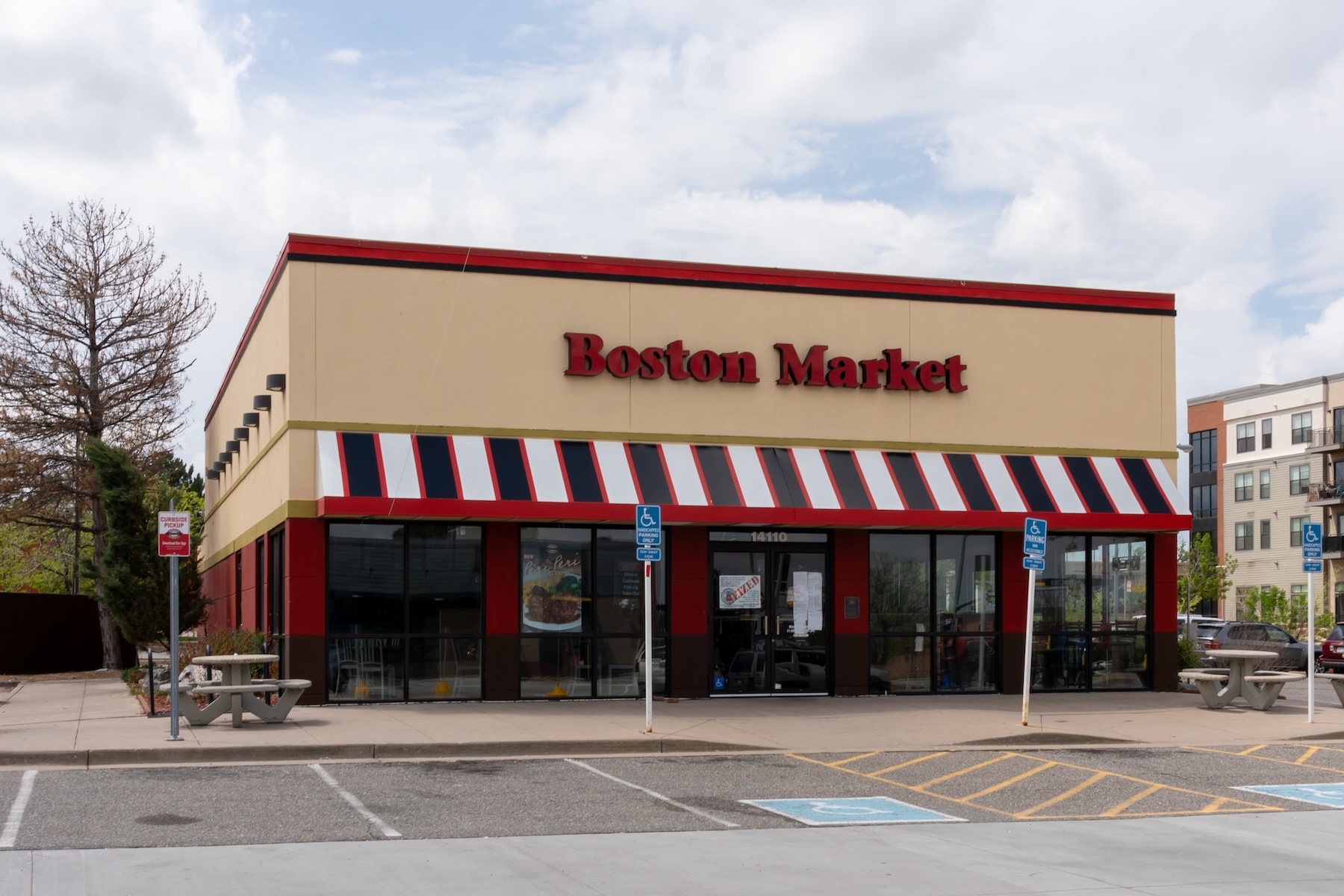
is boston market still in business is a question with a complicated answer. Technically yes, but barely. As of mid-2025, Boston Market still exists as a brand and has a small number of operating locations, but the chain has collapsed dramatically from its peak. What was once a 1,200-location national restaurant chain is now a ghost of itself, dealing with lawsuits, unpaid wages, health code violations, and a bankruptcy process that has left customers, employees, and landlords in the lurch.
If your local Boston Market closed without warning, your gift cards stopped working, or you showed up to a location listed as ‘open’ only to find it dark – you’re not alone. Here’s the full picture of what happened and where things stand right now.
| Quick Status (2025): Boston Market is technically operational with a very limited number of locations. The brand is severely distressed – most closures happened without notice, and the company has faced wage theft allegations, vendor lawsuits, and health department actions across multiple states. |
A Brief History of Boston Market
Boston Market launched in 1985 as ‘Boston Chicken’ in Newton, Massachusetts. The concept was simple and hit at the right time: rotisserie chicken, comfort sides, and a fast-casual feel when fast food still meant burgers and fries. It expanded rapidly through the early 1990s.
By 1993, the company had gone public and was one of the fastest-growing restaurant chains in the country. The name changed to Boston Market in 1995 to reflect its expanded menu. At its peak in the late 1990s, it had over 1,200 locations nationwide.
Then things unraveled fast.
The Decline: A Timeline
| Year | What Happened |
|---|---|
| 1998 | Filed for Chapter 11 bankruptcy – rapid expansion had outpaced profitability |
| 2000 | McDonald’s Corporation acquired Boston Market for $173.5 million |
| 2007 | Sun Capital Partners bought Boston Market from McDonald’s; began aggressive restructuring |
| 2010s | Slow, steady decline in locations – from ~900 down to ~400 by 2019 |
| 2020 | Engage Brands (owned by Jay Pandya) acquired Boston Market |
| 2021-2022 | Wave of sudden, unannounced location closures across multiple states |
| 2022-2023 | Major news coverage of unpaid wages, health violations, and vendor lawsuits |
| 2023 | Several states issued warnings; gift card functionality became unreliable |
| 2024 | Bankruptcy filings by key affiliated entities; location count dropped to under 30 |
| 2025 | Brand technically active; operational locations in single digits to low dozens |
What Went Wrong Under Engage Brands
The turning point was the 2020 acquisition by Engage Brands. What followed was one of the messier chapters in recent fast-casual restaurant history:
- Hundreds of workers in multiple states reported not receiving their final paychecks when locations closed.
- Health departments in New Jersey, Colorado, and other states cited Boston Market locations for serious violations – some were temporarily shut down.
- Landlords filed lawsuits over unpaid rent at dozens of locations.
- Food vendors and suppliers alleged non-payment for deliveries.
- Locations were closing suddenly with no notice to employees or customers.
In 2023, the New Jersey Department of Labor took action against Boston Market over wage theft affecting hundreds of workers. Similar complaints emerged in Pennsylvania, Florida, and Colorado.
Boston Market Then vs. Now
| Metric | Peak (Late 1990s) | 2025 Estimate |
|---|---|---|
| US Locations | ~1,200+ | Fewer than 30 (est.) |
| Annual Revenue | ~$1.1 billion | Not publicly disclosed – fraction of peak |
| States with locations | All 50 + DC | Limited – primarily Southeast and Mid-Atlantic |
| Employees | ~36,000+ | Unknown – dramatically reduced |
| Gift Card Reliability | Fully functional | Reported issues; use immediately if you have one |
| Online Ordering | Fully operational | Inconsistent – varies by location |
Is Boston Market Coming Back?
There have been periodic claims from ownership about a turnaround plan – including talk of new franchise opportunities and a refresh of the brand. So far, none of these have materialized into meaningful recovery.
A few things are worth noting:
- Ghost kitchen and delivery-only operations have been mentioned as part of a potential relaunch strategy.
- The rotisserie chicken fast-casual concept itself is still viable – competitors like El Pollo Loco and Nando’s are doing well.
- Whether the Boston Market brand can recover from its reputational damage under the current ownership is genuinely uncertain.
Honest take: A meaningful comeback for Boston Market under its current structure looks unlikely in the near term. The financial and legal damage is deep, and the chain has lost consumer trust in most of its former markets.
What to Do If You’re Affected
| Situation | What to Do |
|---|---|
| Your local Boston Market closed without notice | Check the official website; Google Maps listings may be outdated |
| You have unused gift cards | Attempt to use them immediately – value may not be recoverable if the brand fully shuts down |
| You’re an employee owed wages | File a wage complaint with your state’s Department of Labor |
| You’re a vendor owed payment | Consult a commercial attorney; file in civil court if unpaid |
| You want to find a similar restaurant | See alternatives below |
Alternatives If Boston Market Was Your Go-To
| Alternative | Why It’s Similar | Available |
|---|---|---|
| El Pollo Loco | Rotisserie-style chicken, comfort sides | Western US primarily |
| Nando’s Peri-Peri | Flame-grilled chicken, family-style meals | Growing nationally |
| Whole Foods Hot Bar / Rotisserie | Comparable rotisserie chicken + sides | Nationwide |
| Publix Deli (Southeast) | Rotisserie chicken + ready-made sides | Southeast US |
| Home cooking | Instant Pot rotisserie chicken recipes widely available | Anywhere |
Boston Market’s story is ultimately a cautionary tale about what happens when rapid expansion, leveraged buyouts, and operational neglect collide. The brand that built its reputation on comfort food became anything but comfortable to deal with – and its customers paid the price.
